The Artist’s Home of Szeki Chan
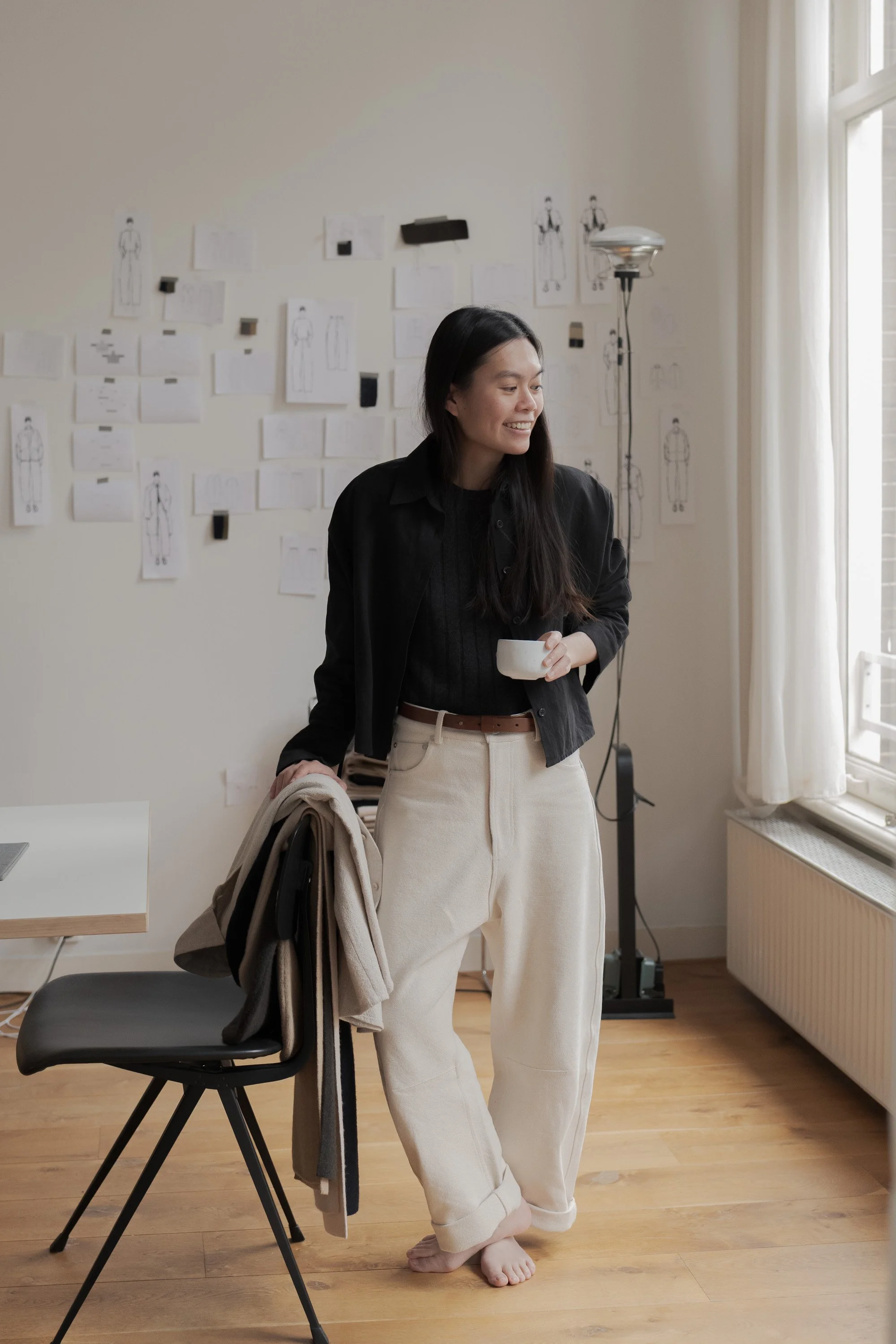
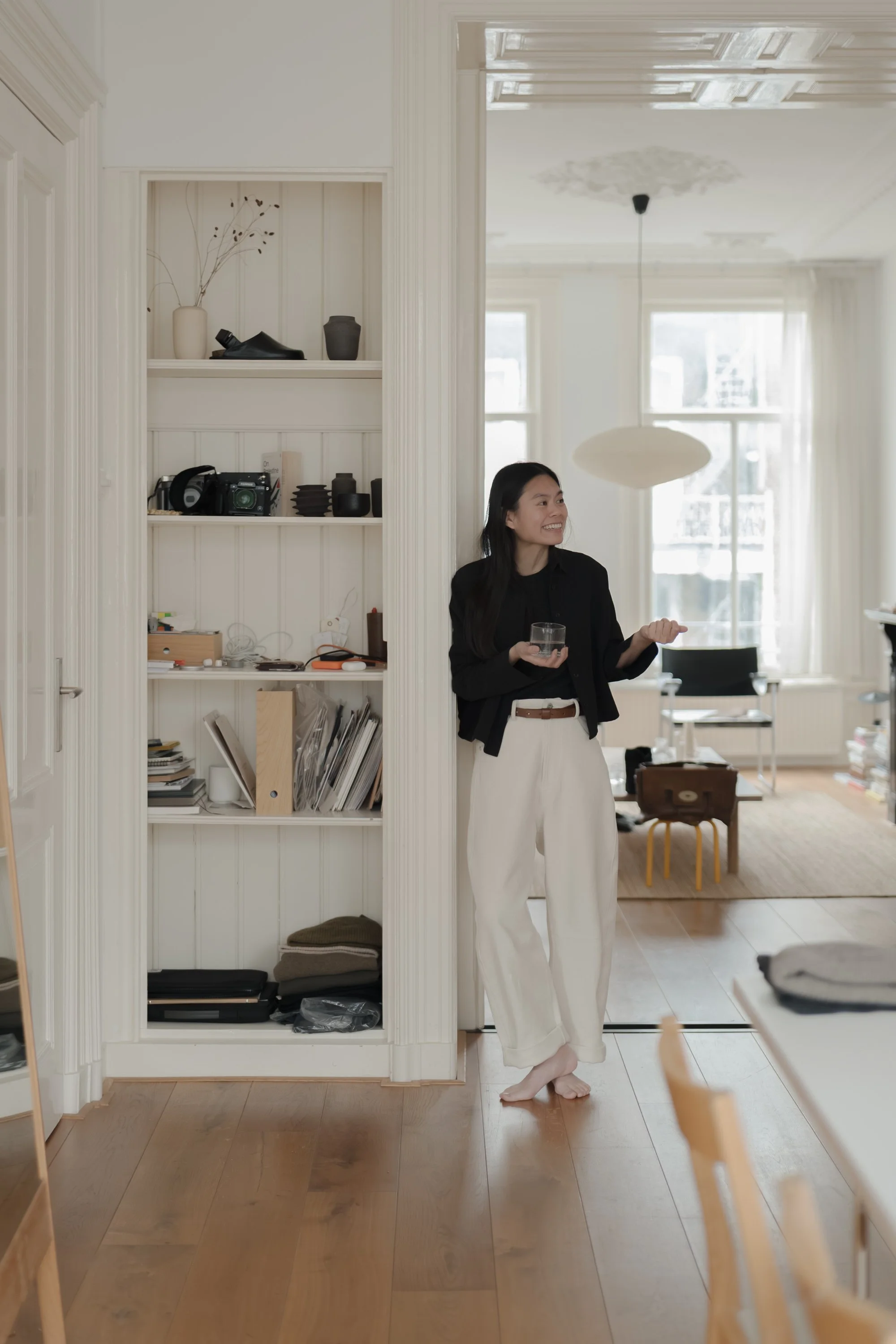
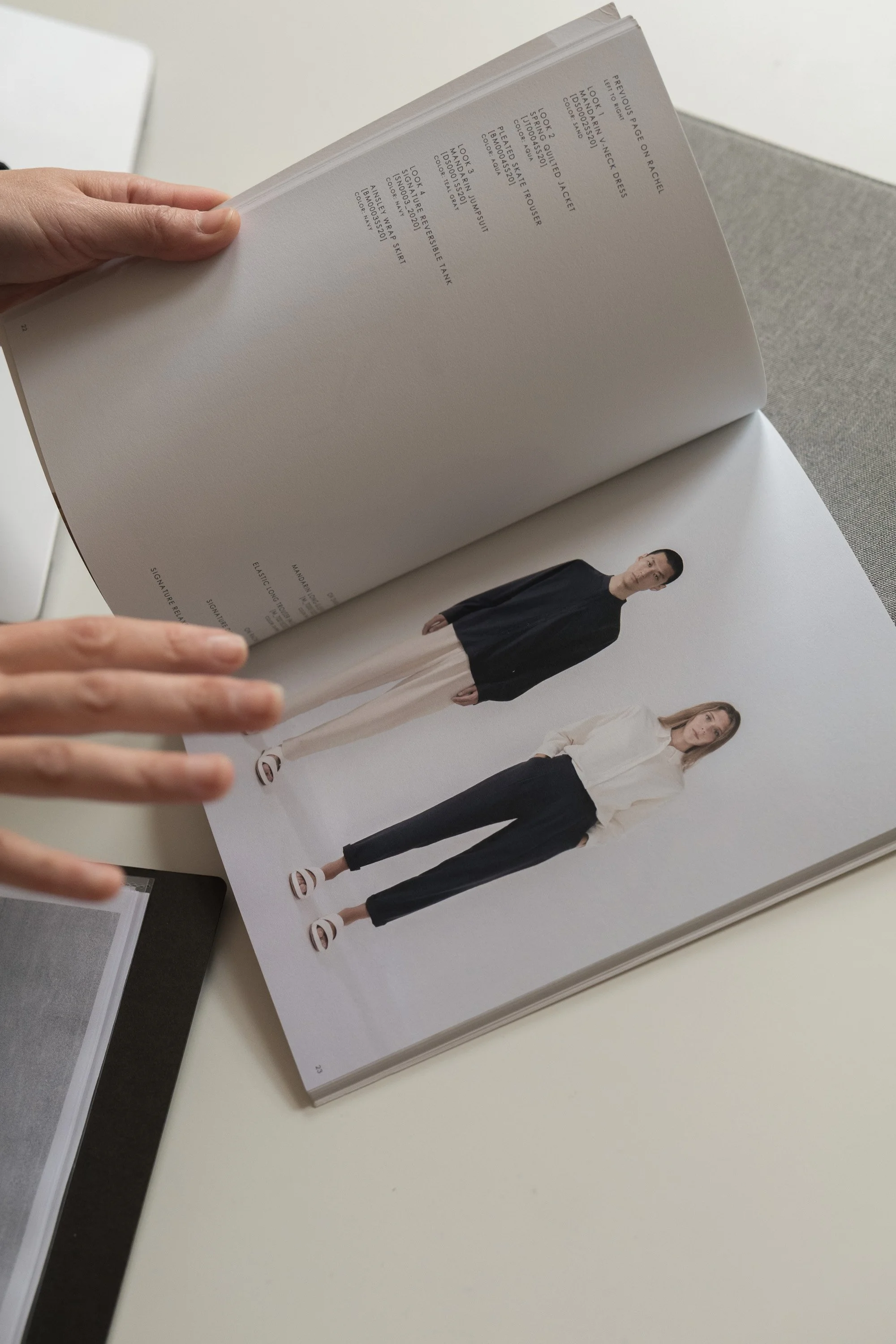
Some people settle into a place; others carry their sense of home with them. For Szeki Chan, life has unfolded across cities—Hong Kong, the UK, New York, Copenhagen, and now Amsterdam. Each chapter has shaped both her work and the way she lives. Founder of 7115 by Szeki, a considered, small-scale label known for garments made to last, she feels at her best when adapting to a new environment and getting to know its pace.
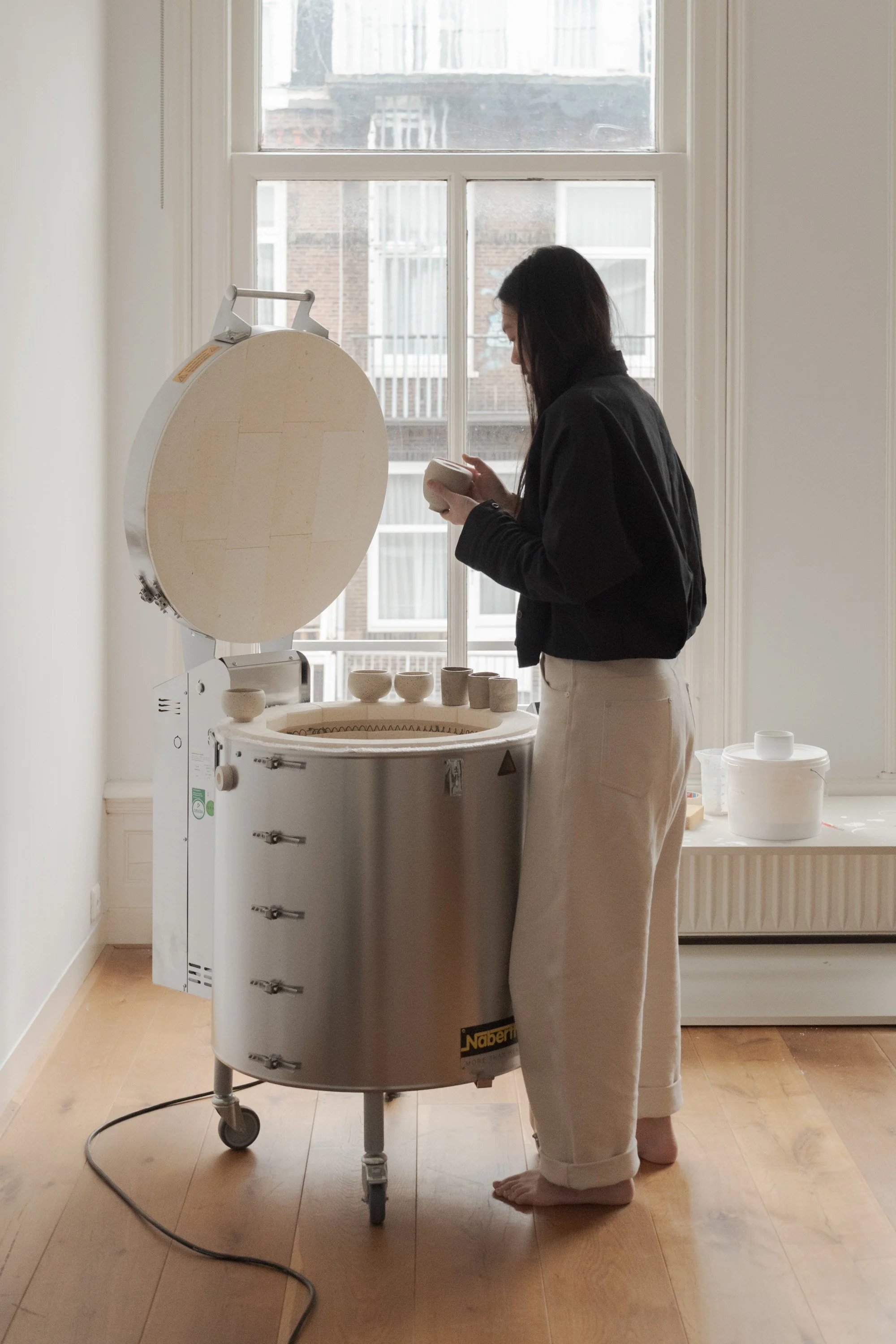
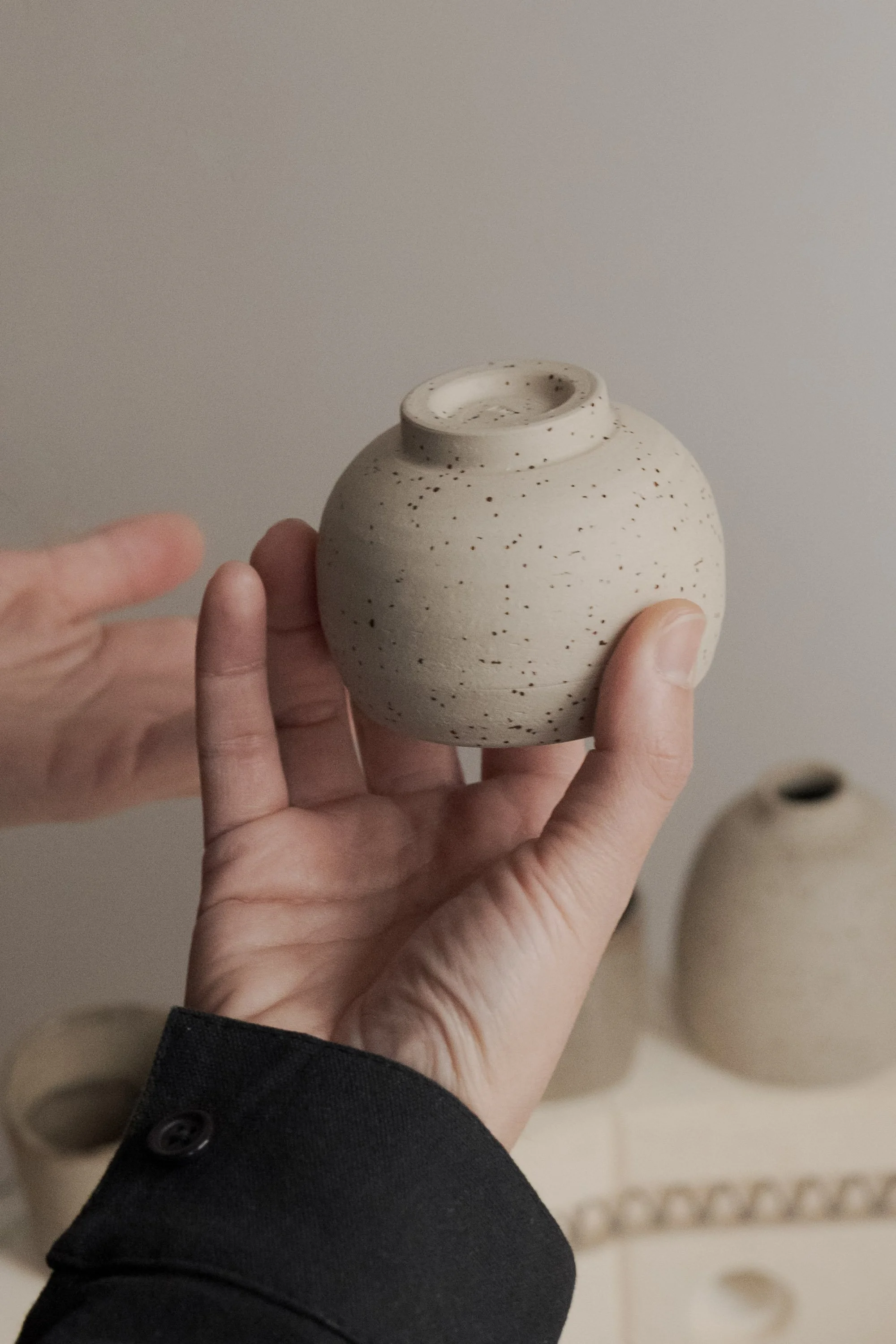
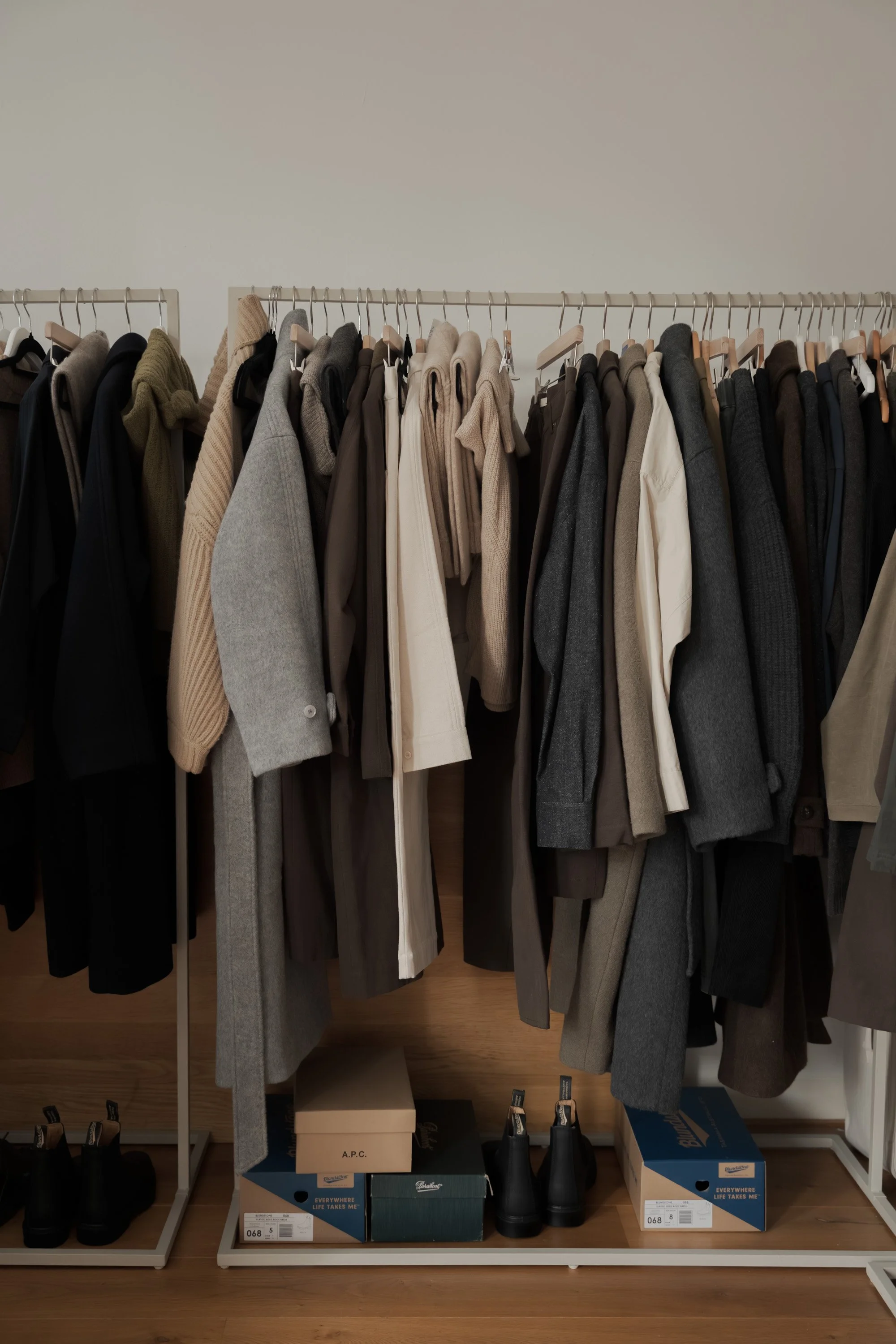
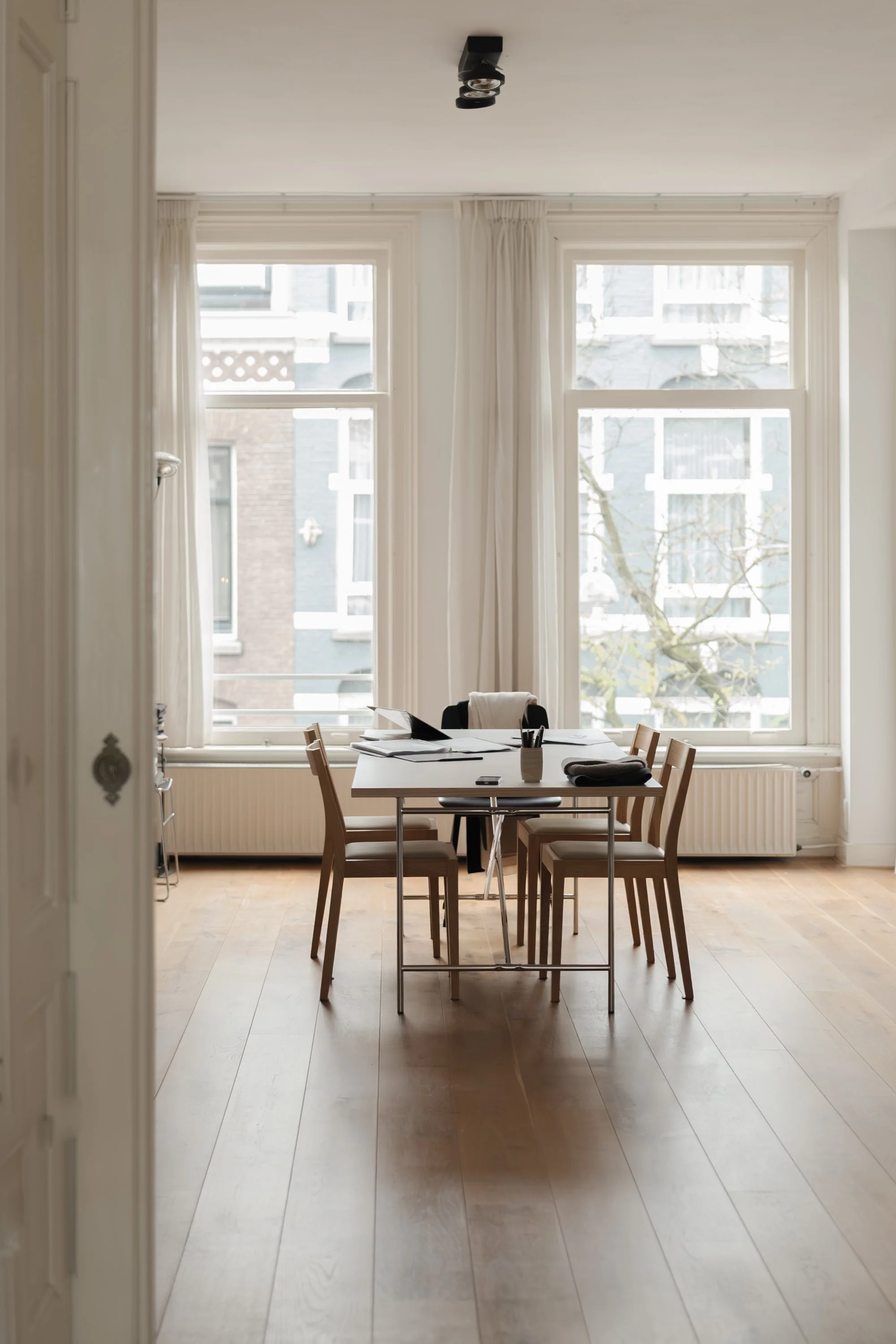
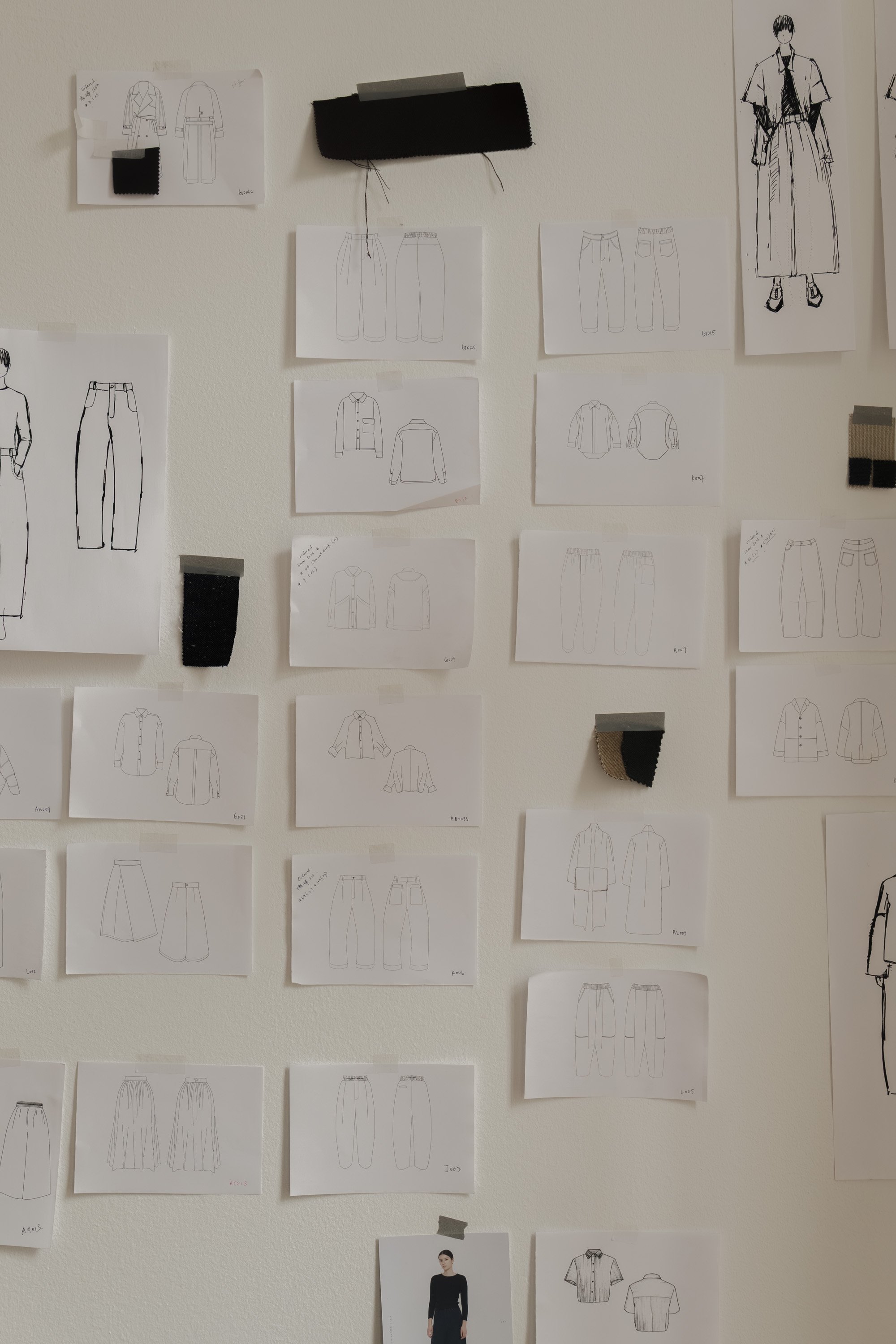
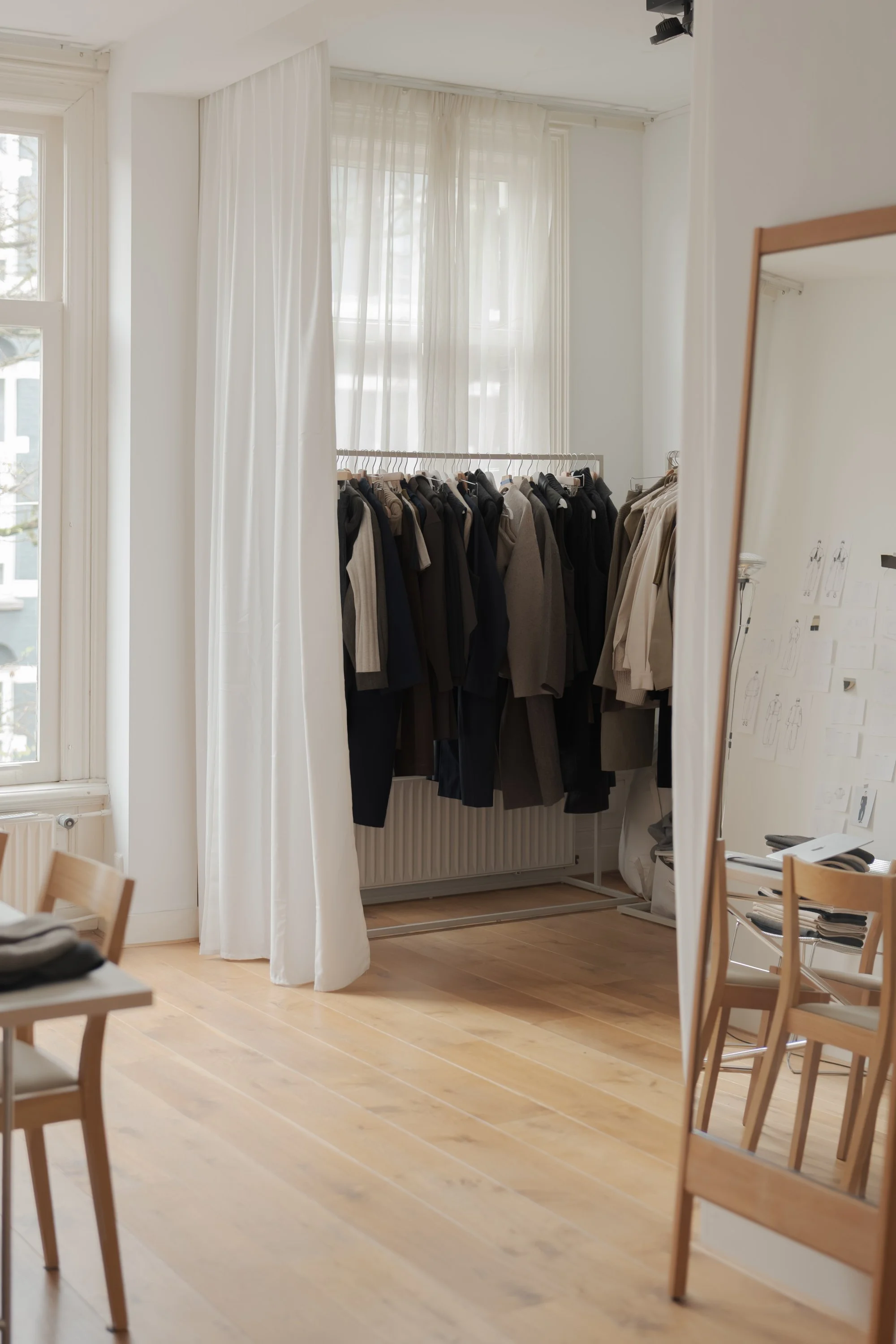
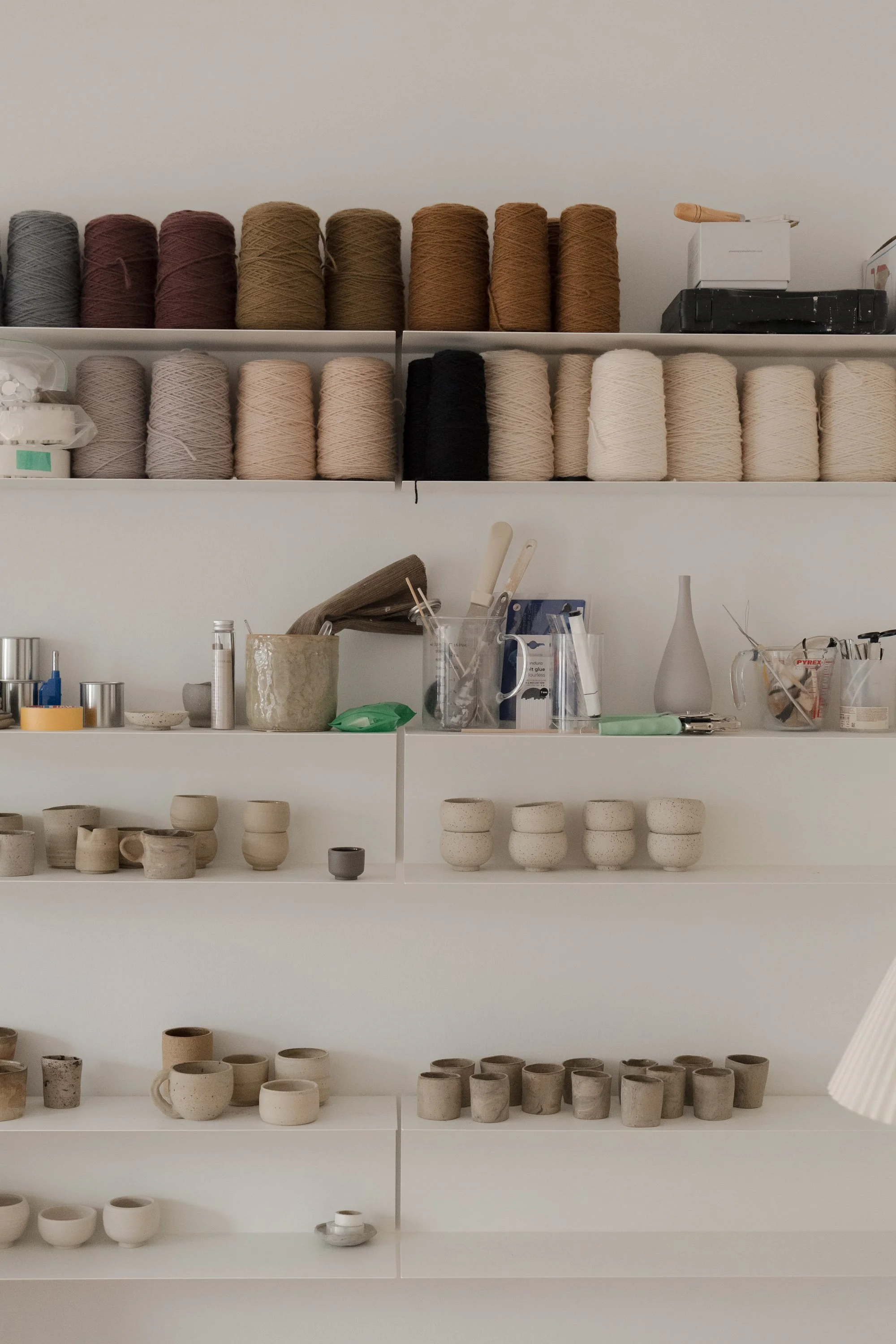
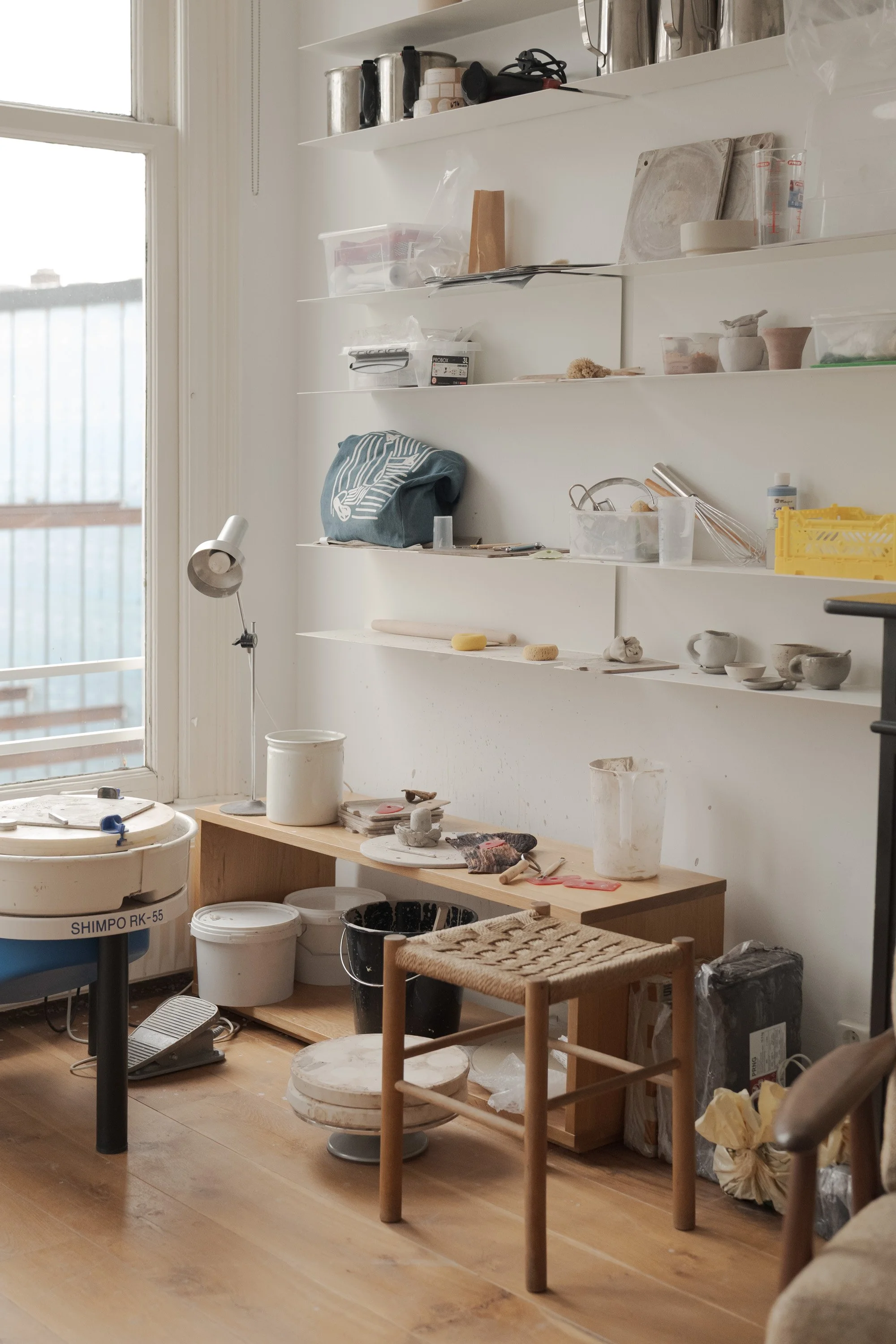
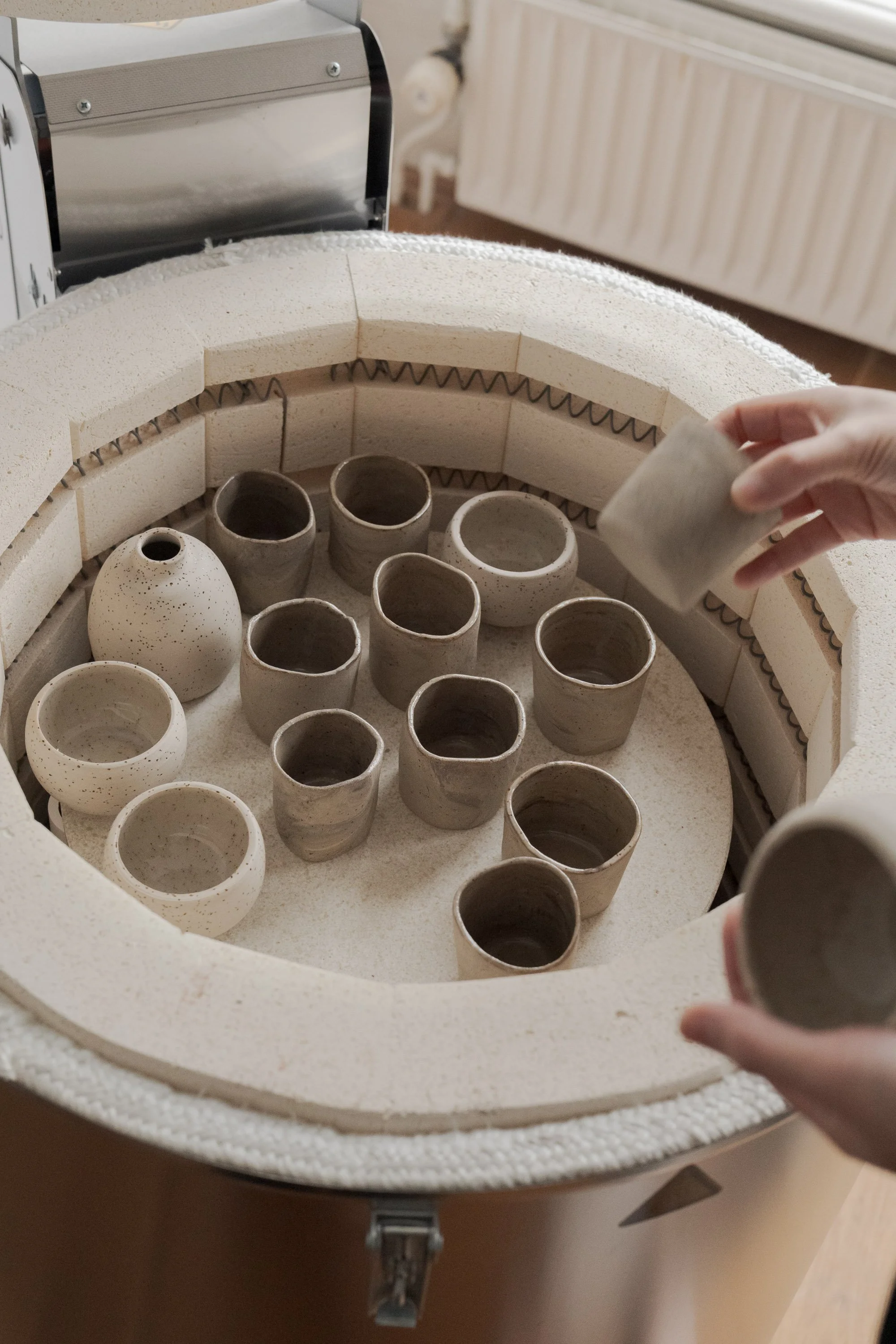
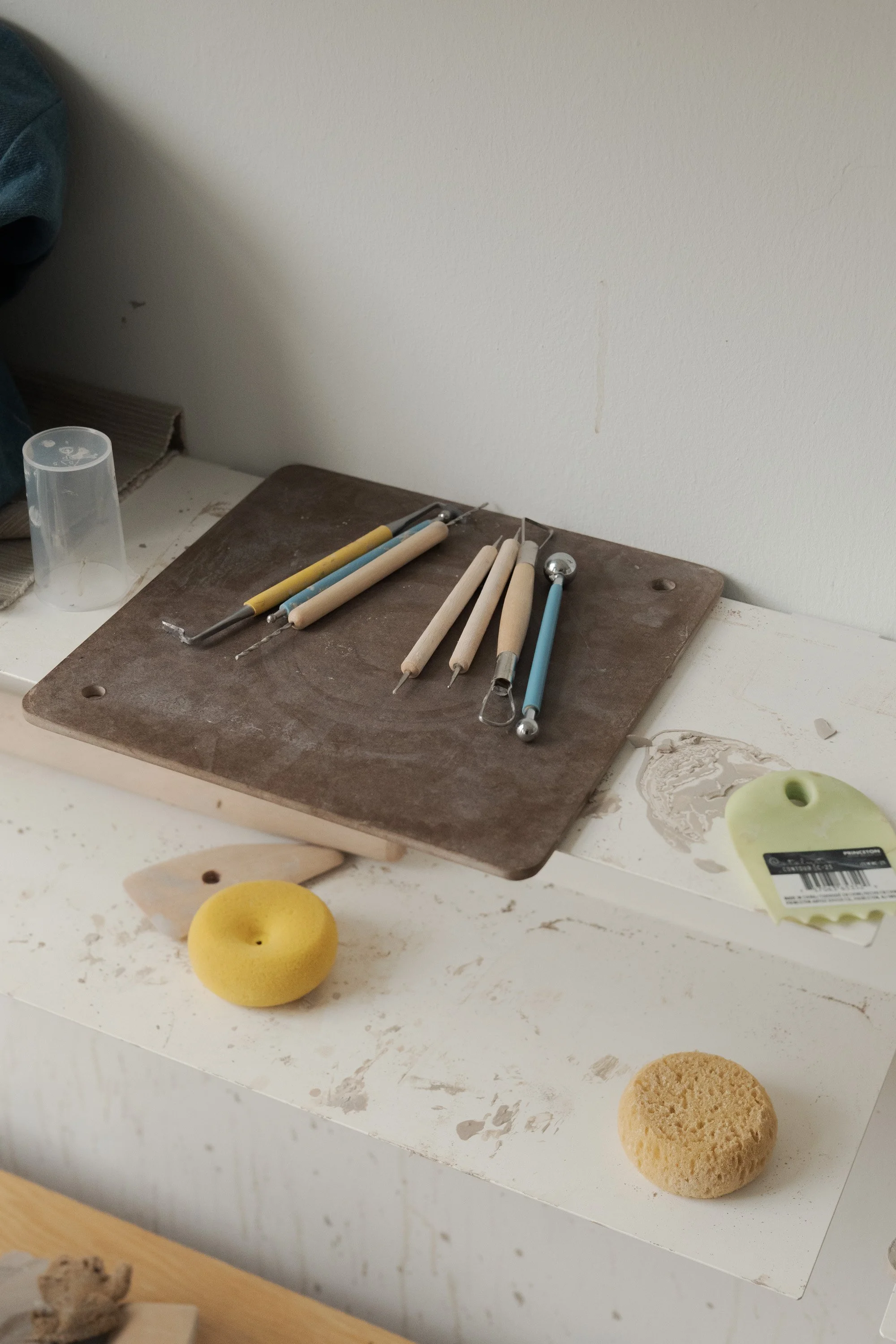
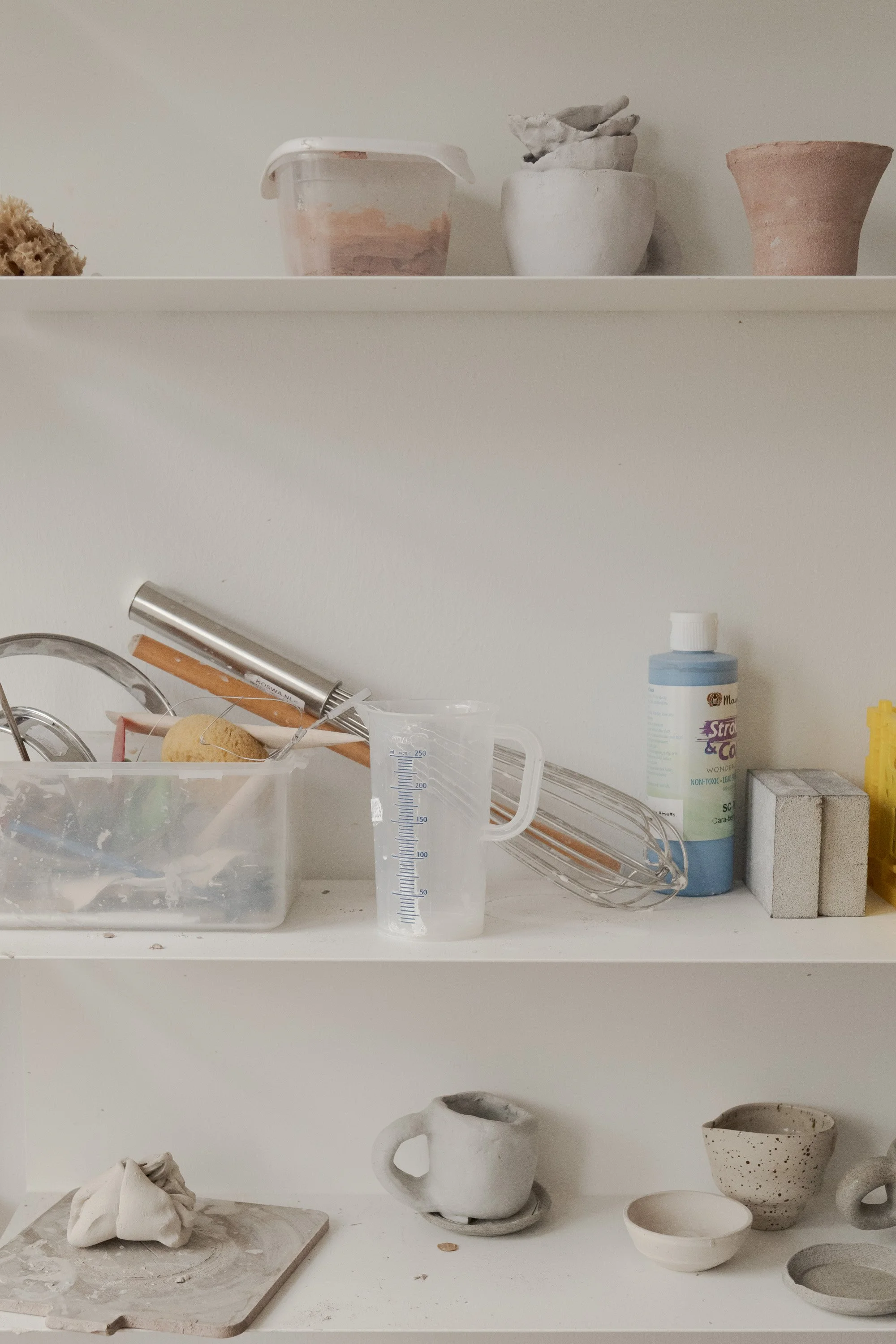
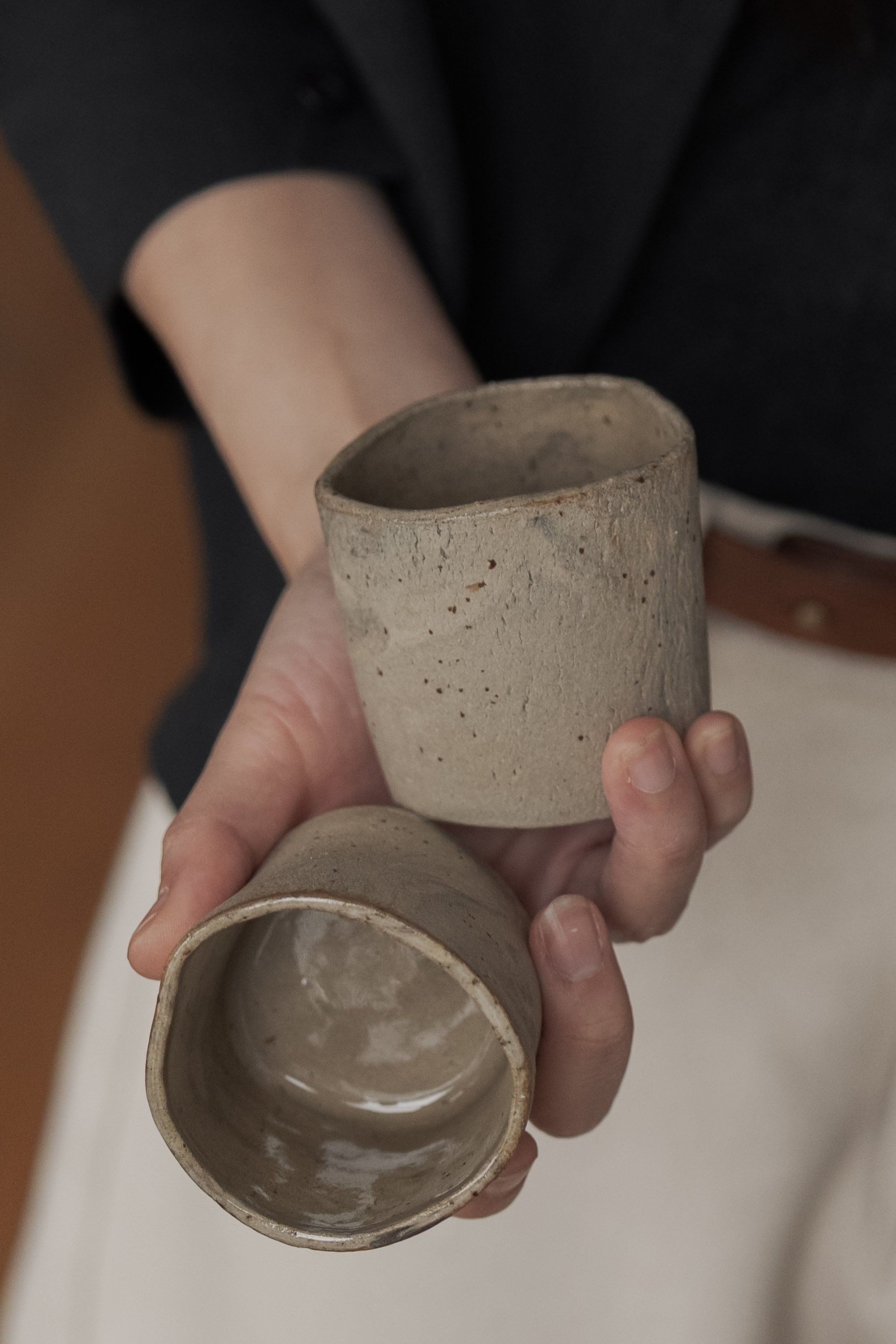
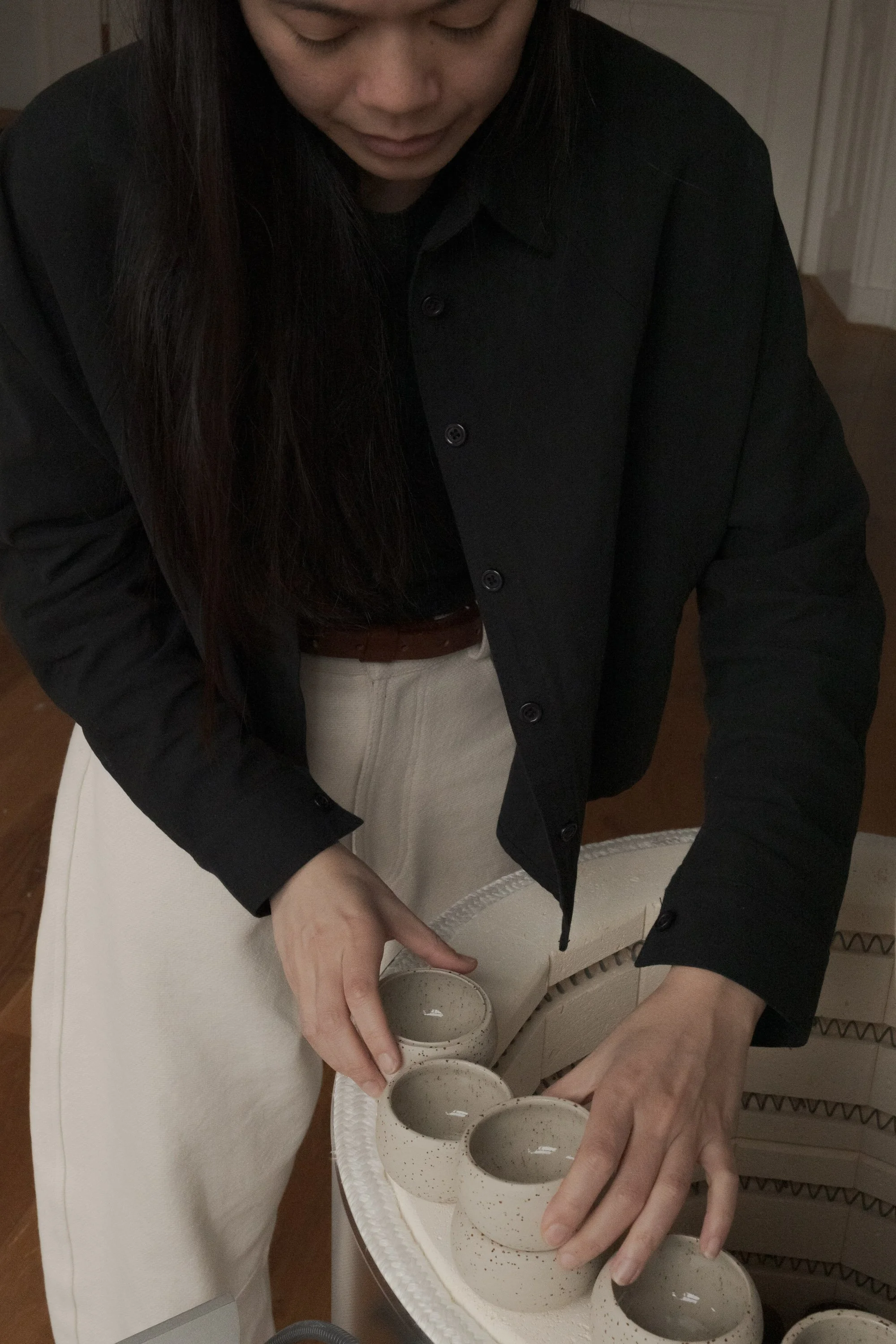
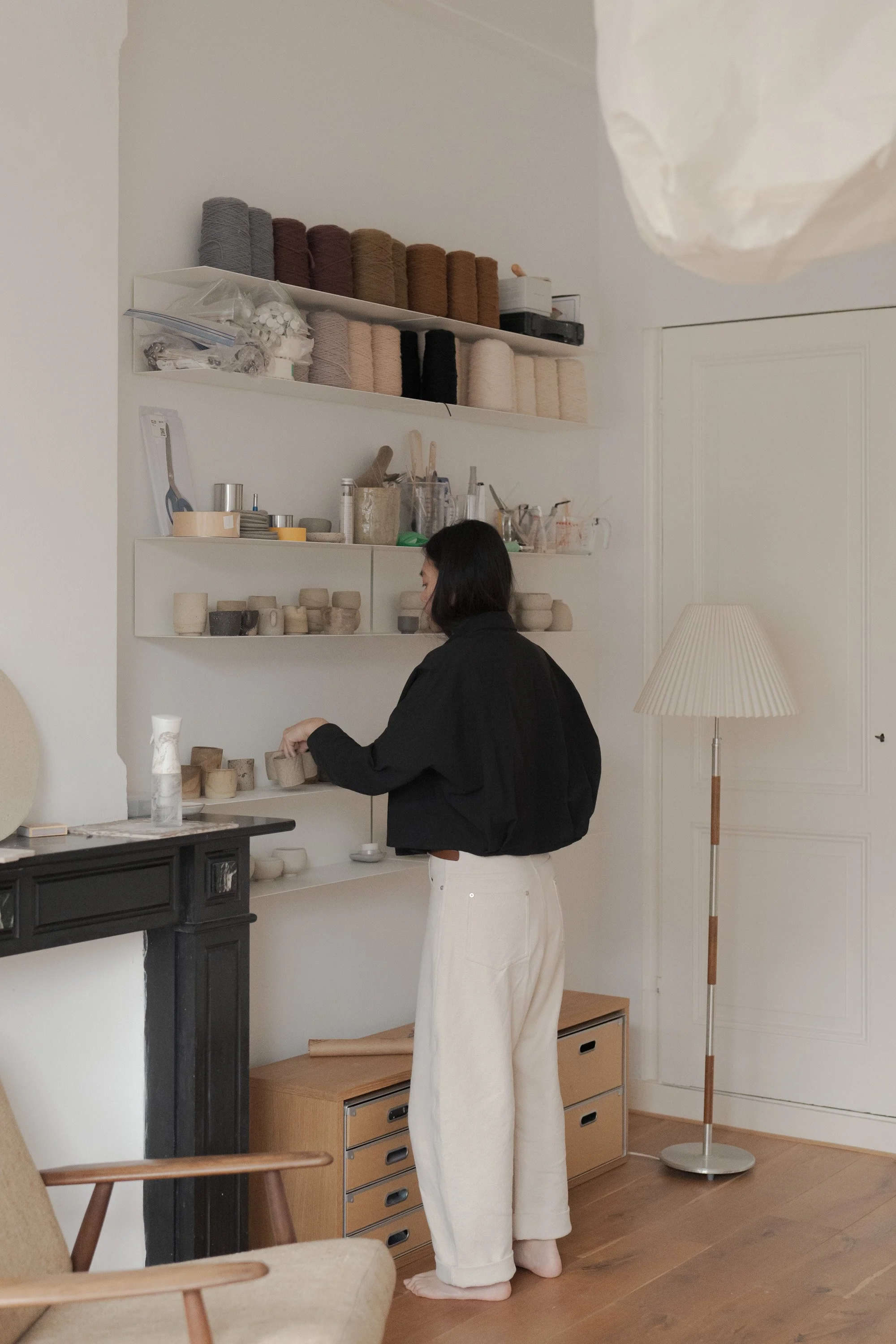
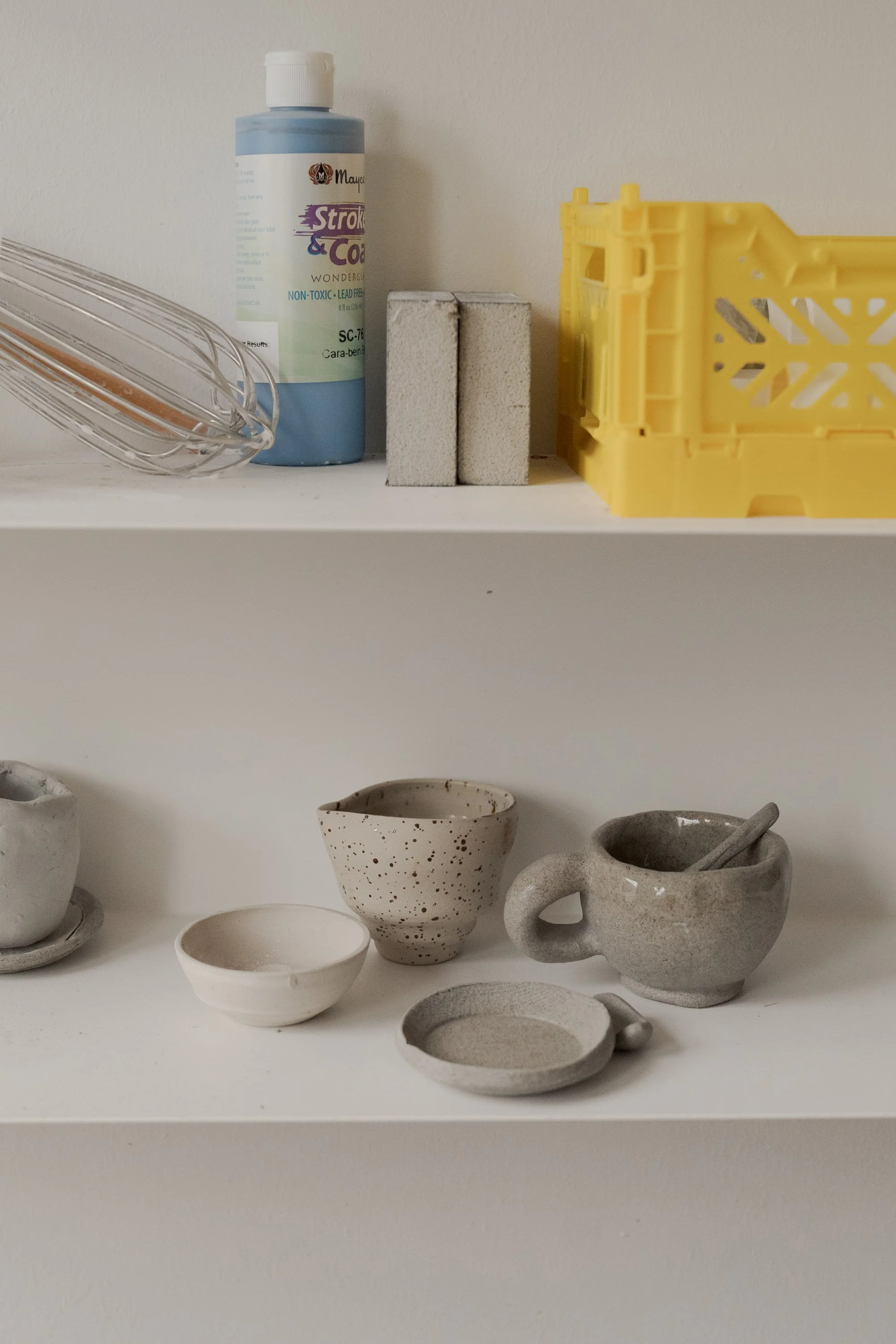
Her Amsterdam home reflects that rhythm. An en-suite fashion studio anchors the living space, while upstairs a wheel and kiln allow for a slower way of making. Spending time here, it becomes clear that for Szeki, home is less about staying still and more about finding the right balance—between energy and calm, work and family.
Bio
Visiting The Artists’ Home of Szeki Chan
Szeki’s artistry: Designer and Ceramic Artist
Living in Amsterdam, The Netherlands
After chapters in Hong Kong, the UK, New York, and Copenhagen, what drew you toward Amsterdam—and what has this city added to your daily rhythm or creative focus?
‘Aside from the many practical reasons, my decision to move to Amsterdam came from a deeper desire for a diverse environment, one that offered variety without the chaos. In a way, I was searching for a balance, something that felt like a mix between New York’s energy and Copenhagen’s calm. Funny as it sounds, that's exactly what I hoped to find here.
At the time, my routine felt almost too perfect, and I wanted to shake things up. After years of moving from city to city and building a life in different places, I’ve realized that I thrive when adapting to new surroundings. Learning to navigate a new city broadens my perspective and helps me connect with myself more deeply. That clarity, in turn, fuels both my creative focus and personal growth.’
This home carries an old soul, with its 1930s layout and quiet charm. What draws you to historical spaces, and how does that sensibility weave into your contemporary work?
‘I've lived in many different spaces over the years, from newly built apartments to older, more historical homes. While both have their own appeal, I've always been drawn to places with a bit of characters, spaces that have quirks and don't feel too cookie-cutter. There’s something special about a home that tells a story, that has a history of its own. It adds a layer of depth that I find comfort in.’
Fashion, photography, ceramics—and earlier in life, music and jewelry making. How did this multi-disciplinary path begin? Was creativity present in your family, or did it emerge later?
‘I think it’s a combination of nature and nurture. I grew up with two incredibly talented sisters who could sing, dance, draw, and play instruments. I was the one who decided to try turning those interests into a career, failing at plenty of them along the way tho.
My mom was a seamstress before she married my dad, and my dad worked in the textile business. He was also an amateur photographer, completely self-taught. While my parents didn’t have professional backgrounds in the arts, they had a deep respect for creativity and made it a central part of our lives. It's not often for asian family to send their kids to art school at age 12, but mine did, and I’ll always be grateful for that.’
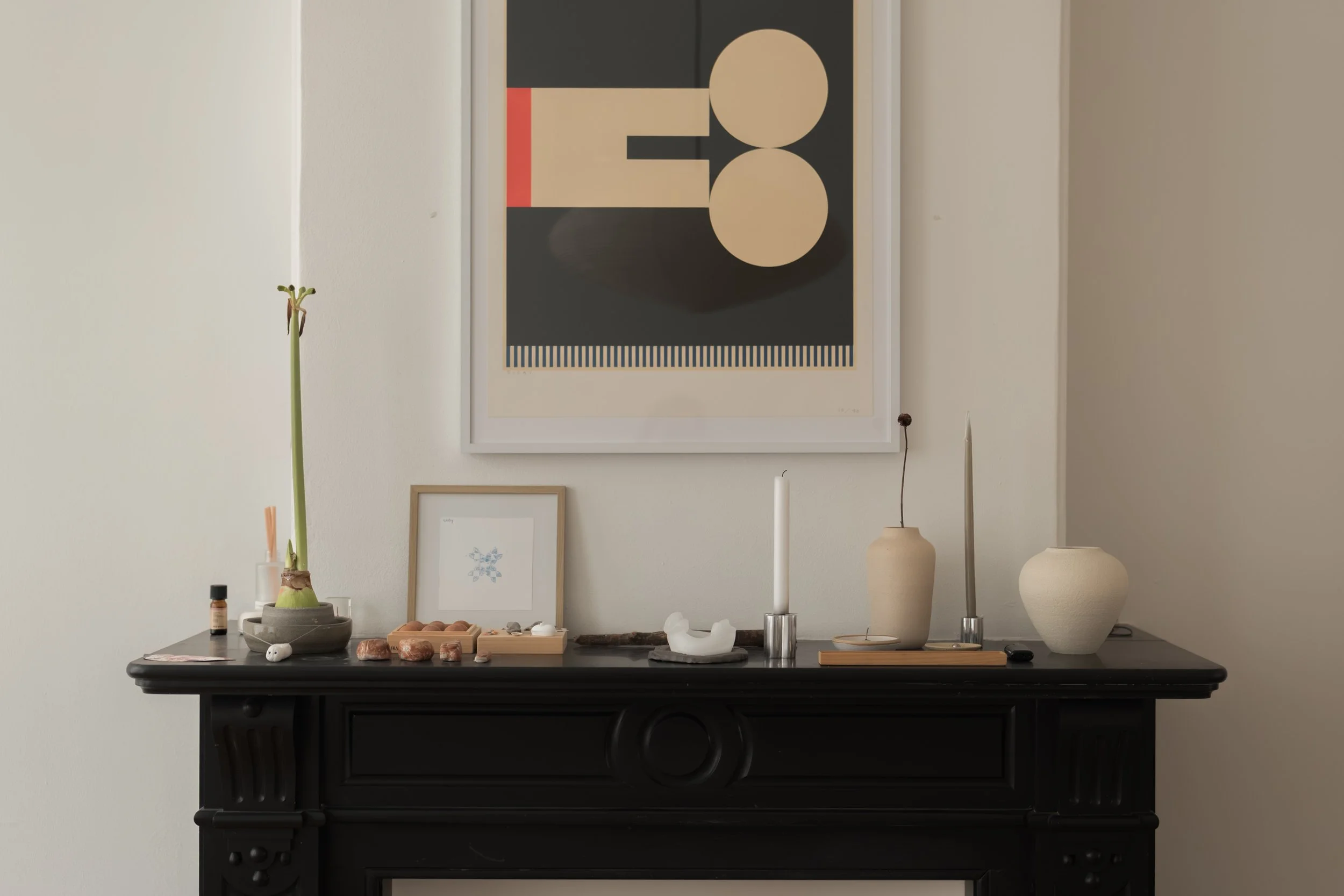
Your home holds separate creative spaces: the en-suite fashion studio, the drawing desk, the ceramics room upstairs. Which room holds the strongest sense of “home” in your creative process, and why?
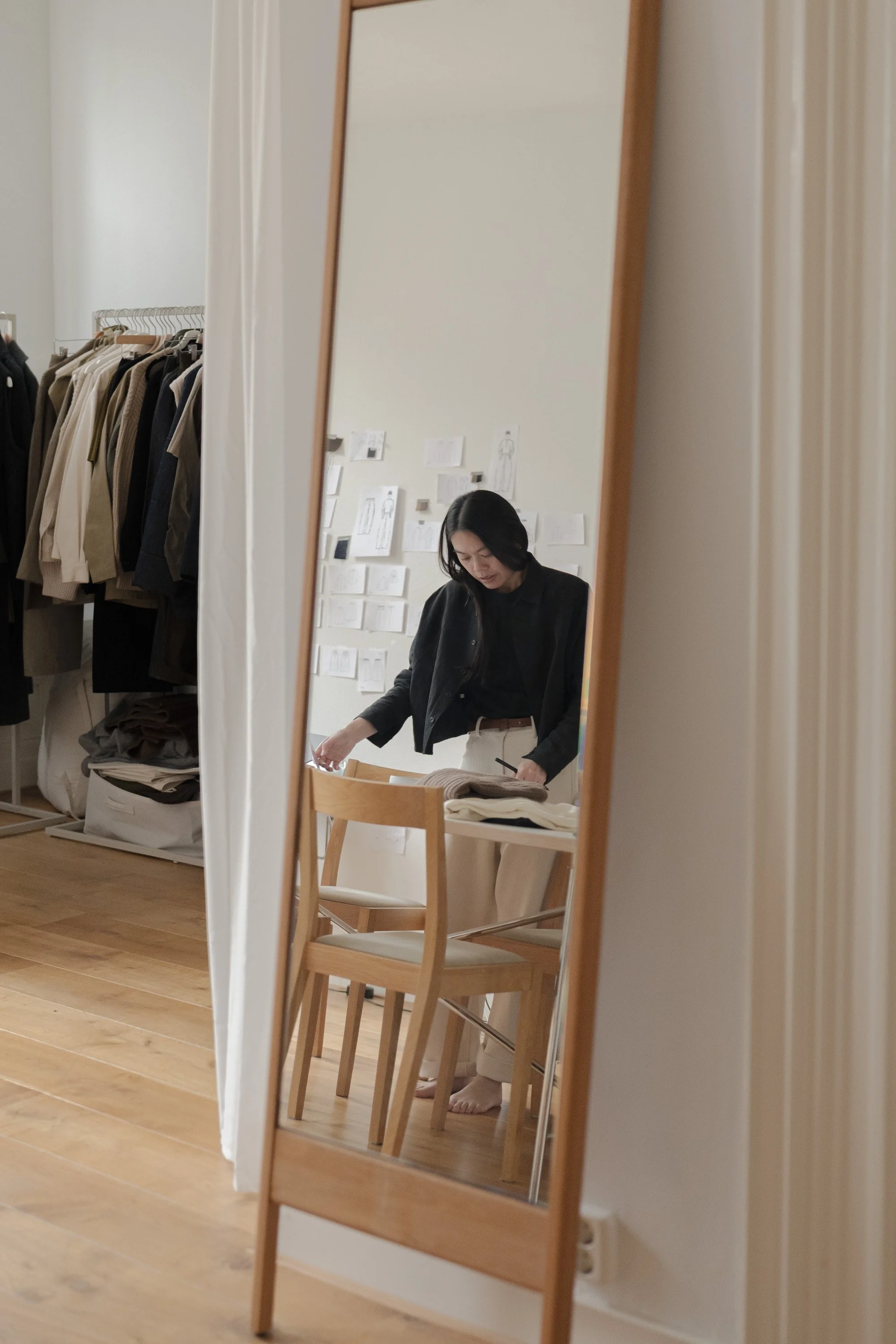
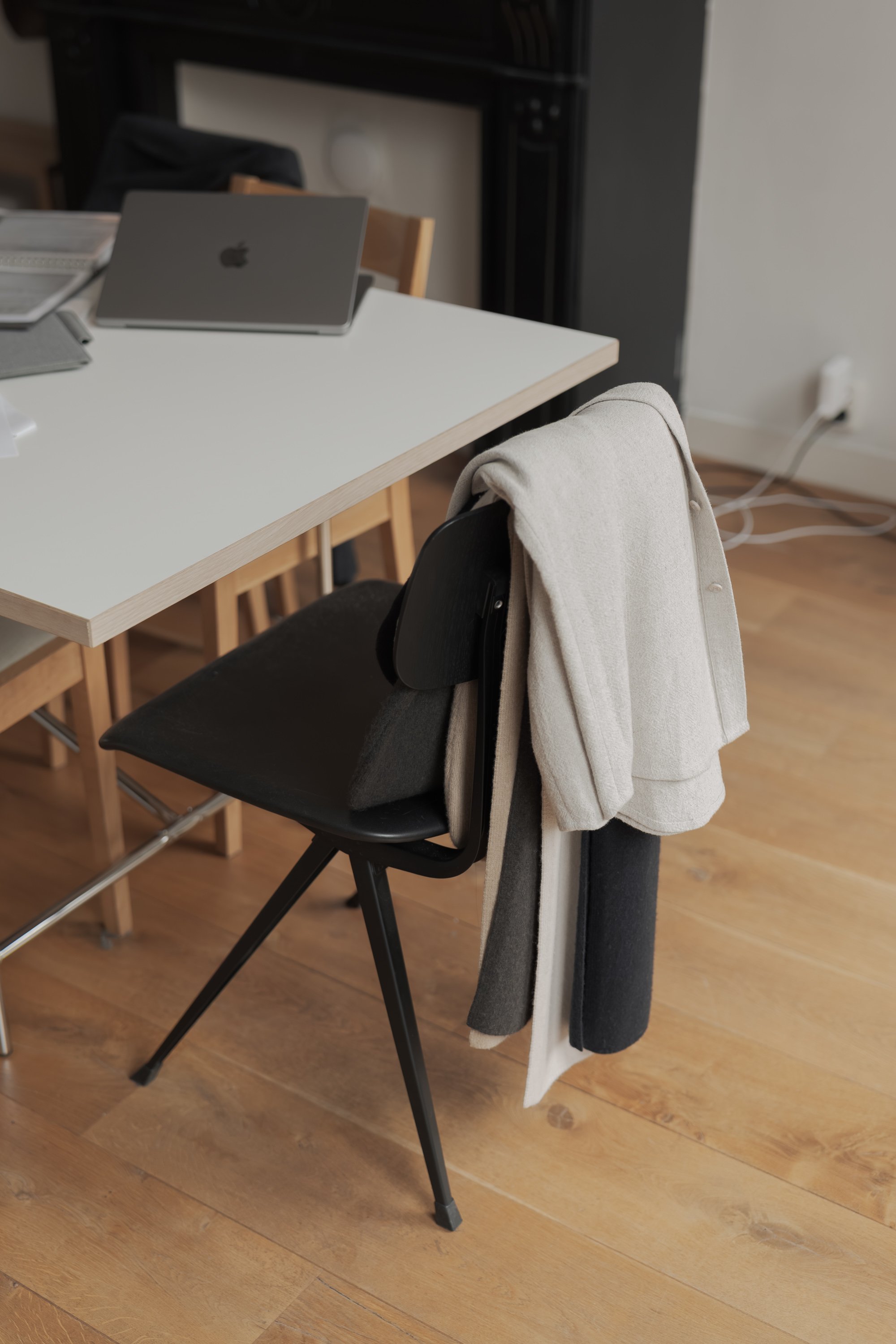
‘Hmm.. Let me try to put it into words. The work studio is the center of my creative process. It isn't just a space for design; it's where I hold meetings, crunch numbers, and sit alone to reason with myself. It’s where I daydream, mourn losses, and celebrate milestones and more. My work is the lens through which I navigate the world and my ultimate source of grounding, looking for clarity in the process.
No matter where I’ve lived, my studio setup has always looked ...simliar, like a permanent fixture in life. In that sense, this space is very close to how one might define "home." However, spinning the wheel helps me center myself. It’s a much-needed form of meditation that allows me to rest my mind so I can begin again. This room also holds special moments I create with my son. There’s a generous sense of acceptance in here, anything goes. I suppose that's why both spaces exist in parallel.’
Morning rituals or small grounding practices often set the tone for the day. What does that look like for you, or what helps you settle when returning home?
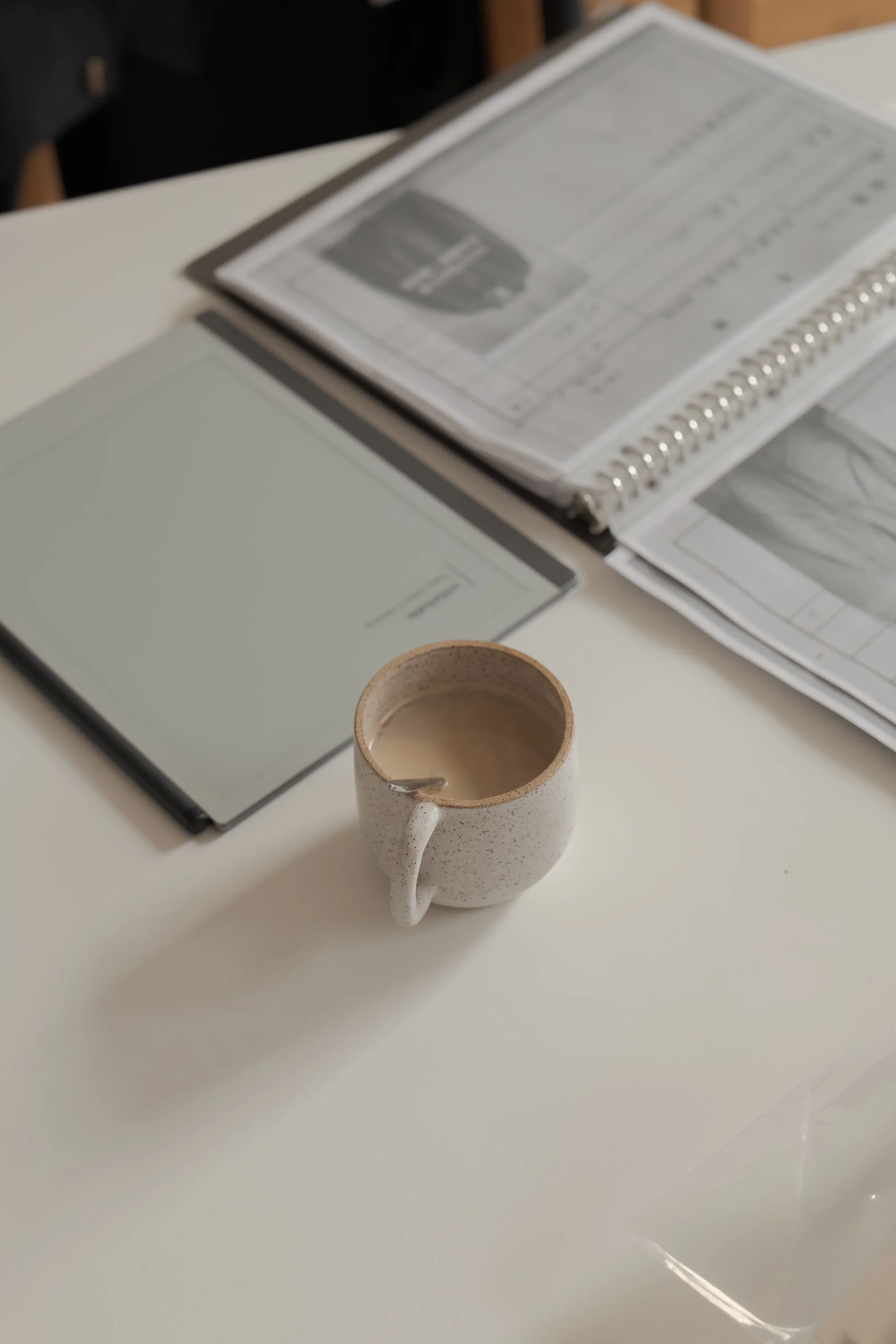
‘The way I start my day looks different depending on the season. Honestly, though, a big part of it is always getting my son ready for school. If I'm in the middle of a busy season, that's often as far as any ritual goes, and I'll just jump right into work. During these times, I like to start by checking something small off my list quickly to build momentum for the rest of the day, while my partner will make a small breakfast and coffee for the both of us, and we'll sit together for 10-15 minutes to connect before I carry on with my day.’
The camera seems to follow you through daily life. What draws your attention most these days—what makes you reach for it?
‘Speaking of that, I feel like the camera hasn't been with me as much this season. It's the winter heaviness. But you're right, I do have it with me most days. I think it's because I never know when or why I'll reach for it, so I keep it around. There are many days I don't take a single picture. Inspiring moments come in waves and aren't always visual, but taking photos is by far the most comfortable form of notes for me.’
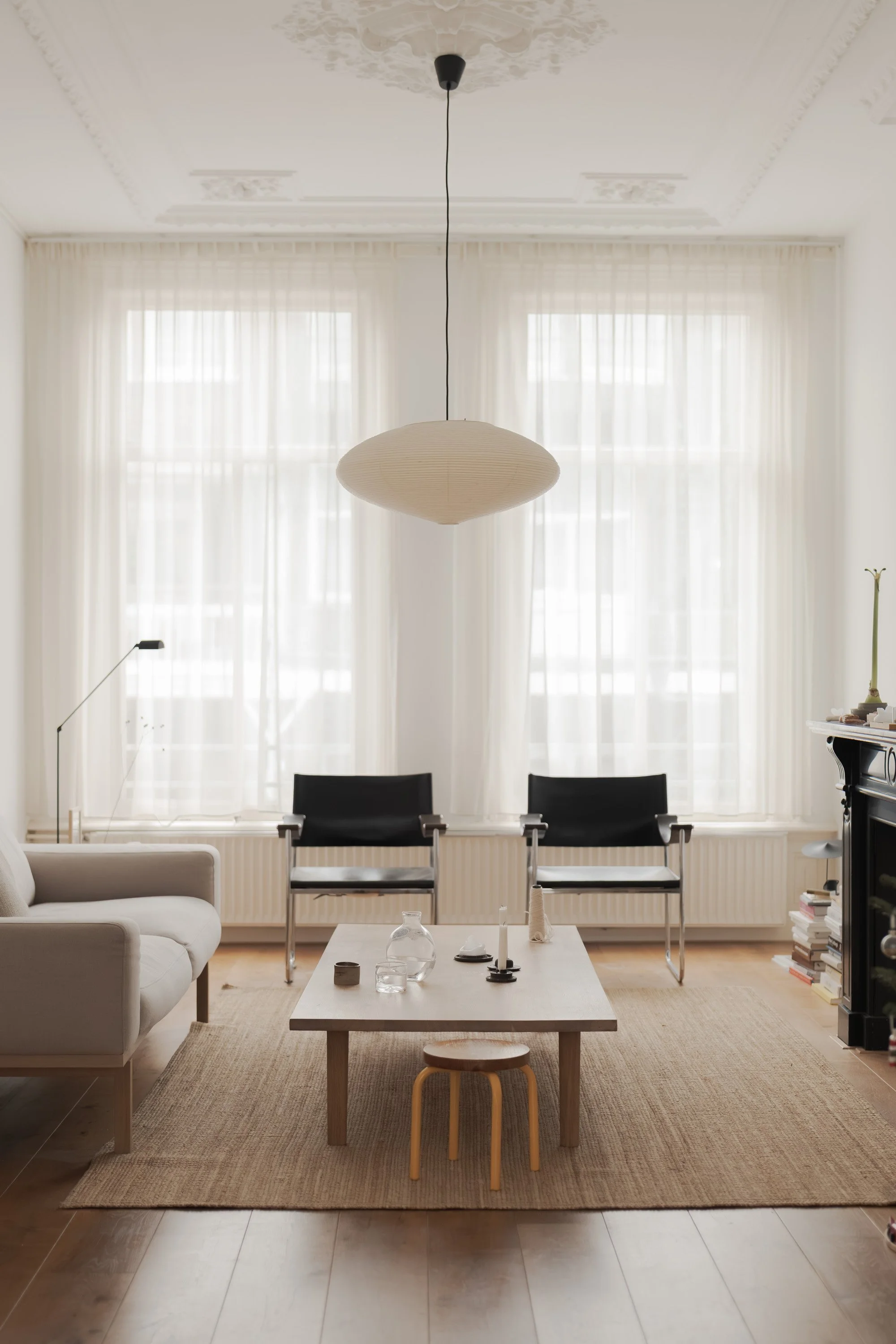
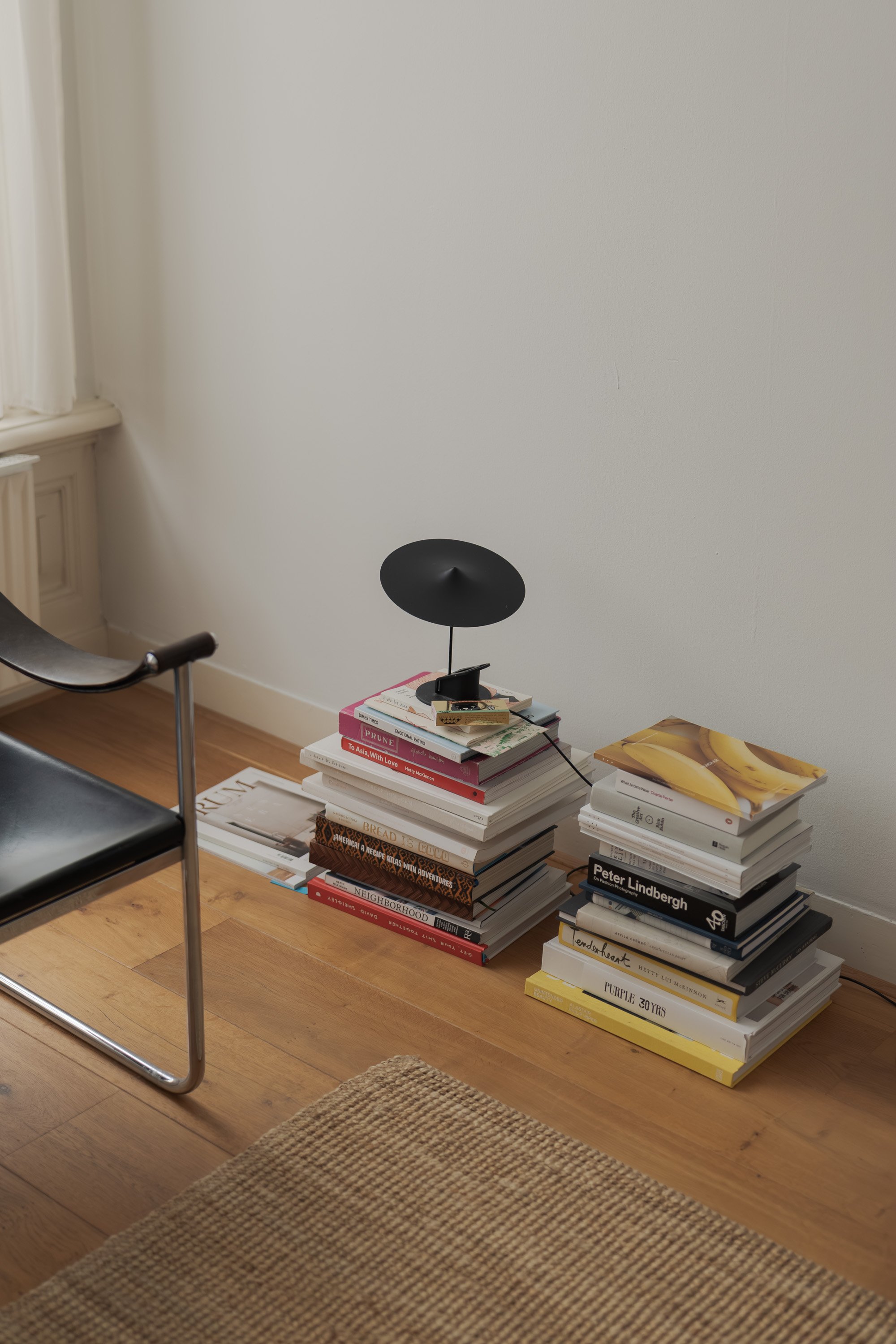
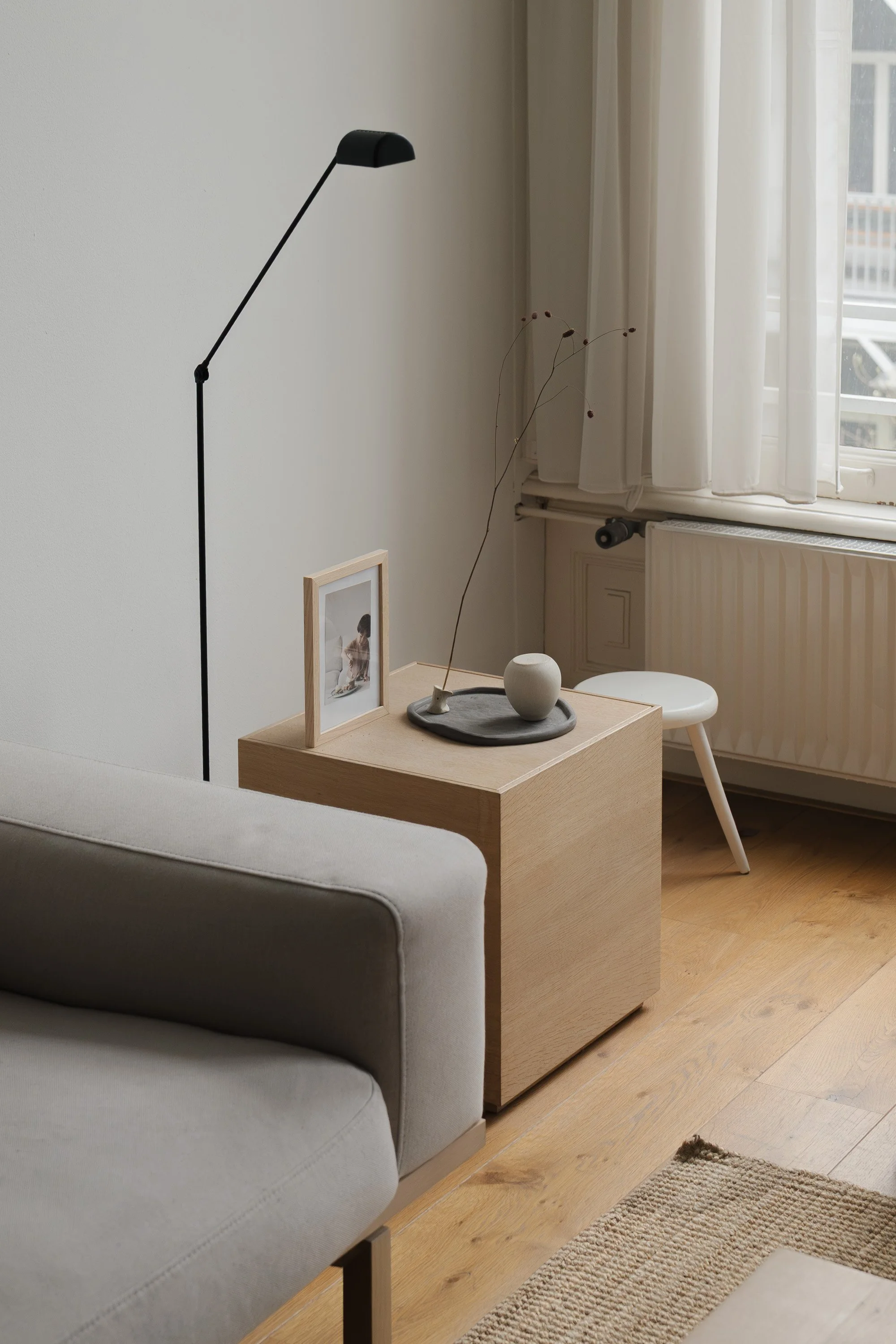
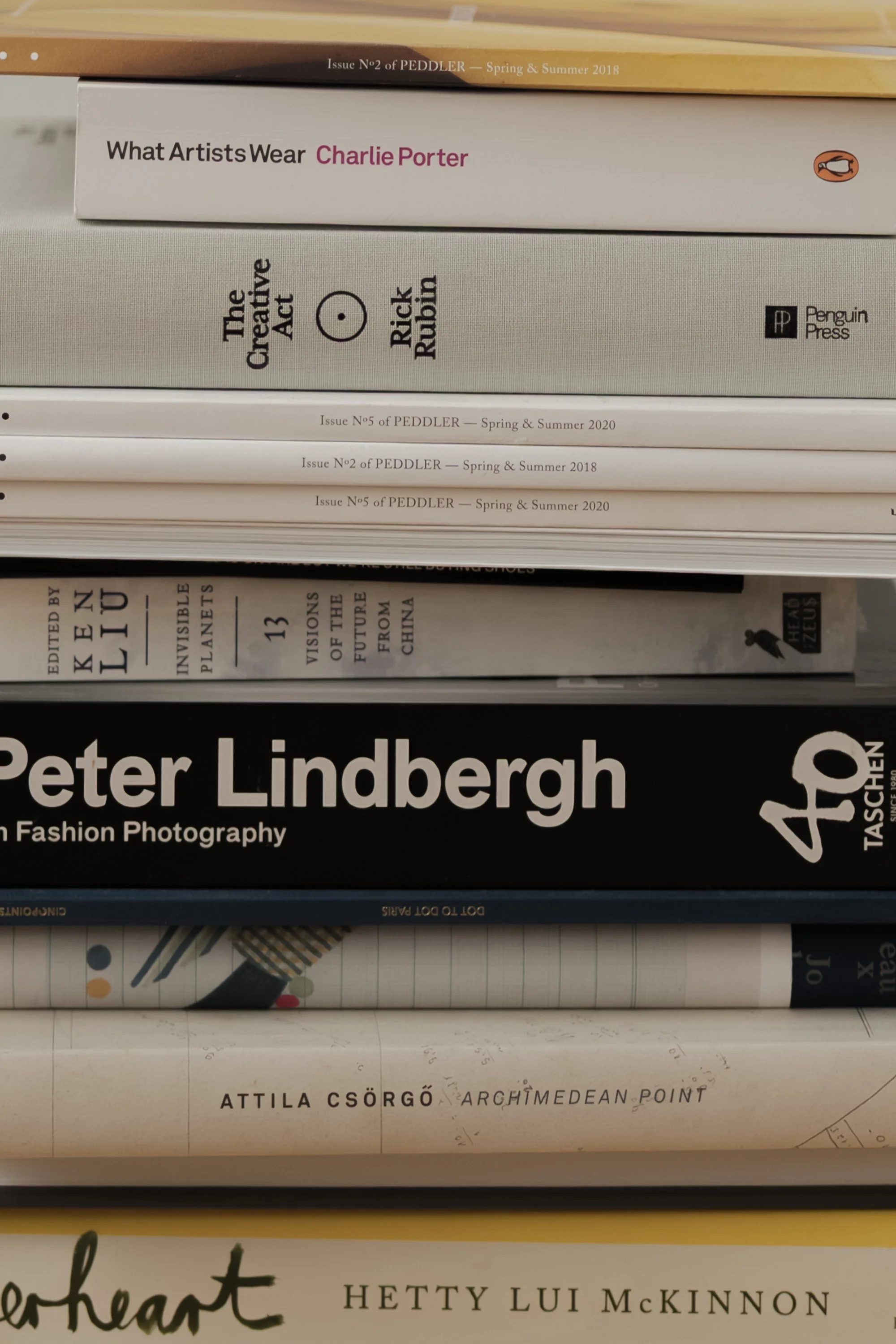
Objects can anchor memory. Are there pieces you’ve kept or collected over the years, and what guides these choices?
‘I’ve never been much of a collector, but that changed when my son started bringing home his art projects. I love having them around the house because they’re surprisingly inspiring and artful in their own, unintended ways.
That said, I’m not a great decorator nor I put much deep thought into what goes where. Most of the time, I simply choose forms and textures that I find appealing and let it evolve naturally. Over time, these objects start to carry memories and meaning. That random ceramic vase or my son’s hand-painted clay figure suddenly feels essential, and home wouldn’t feel like home without them if that make sense.’
Your 7115 fragrances were named after New York streets connected to your life there. If your Amsterdam home were translated into a scent, which notes or impressions would it hold?
‘This home has a unique energy that flows through its many rooms, each connecting to different aspects of daily life. It’s situated on a quiet yet well-connected street, it's the perfect balance between calm and accessibility. Some corners of the home feel incredibly grounding and serene, while others invite a lively, dynamic energy. It’s a space that feels both rooted and free. If I had to describe its essence, I’d say it reminds me of something like Yuzu & Vetiver, refreshing yet warm, balanced yet vibrant.’
Music has always played a role in your life, from early singing days to the playlists you curate now for 7115. Which song or artist reflects your current state of being?
‘Oh, I can't take credit for the playlists—they are a collective effort from my wonderful team! I must say, my horizons are always expanding because of my colleagues; they have such good taste in so many things. Personally, I enjoy wordy, lyrical music, something I feel I can chew on and that is open to interpretation. I tend to listen to pieces that I also like to sing, so for me, music is less about relaxation and more about engagement. Lately, the song "All This and Heaven Too" by Florence and The Machine has been coming back onto my repeat list.’
Follow Szeki’s life and work via her Instagram page.